
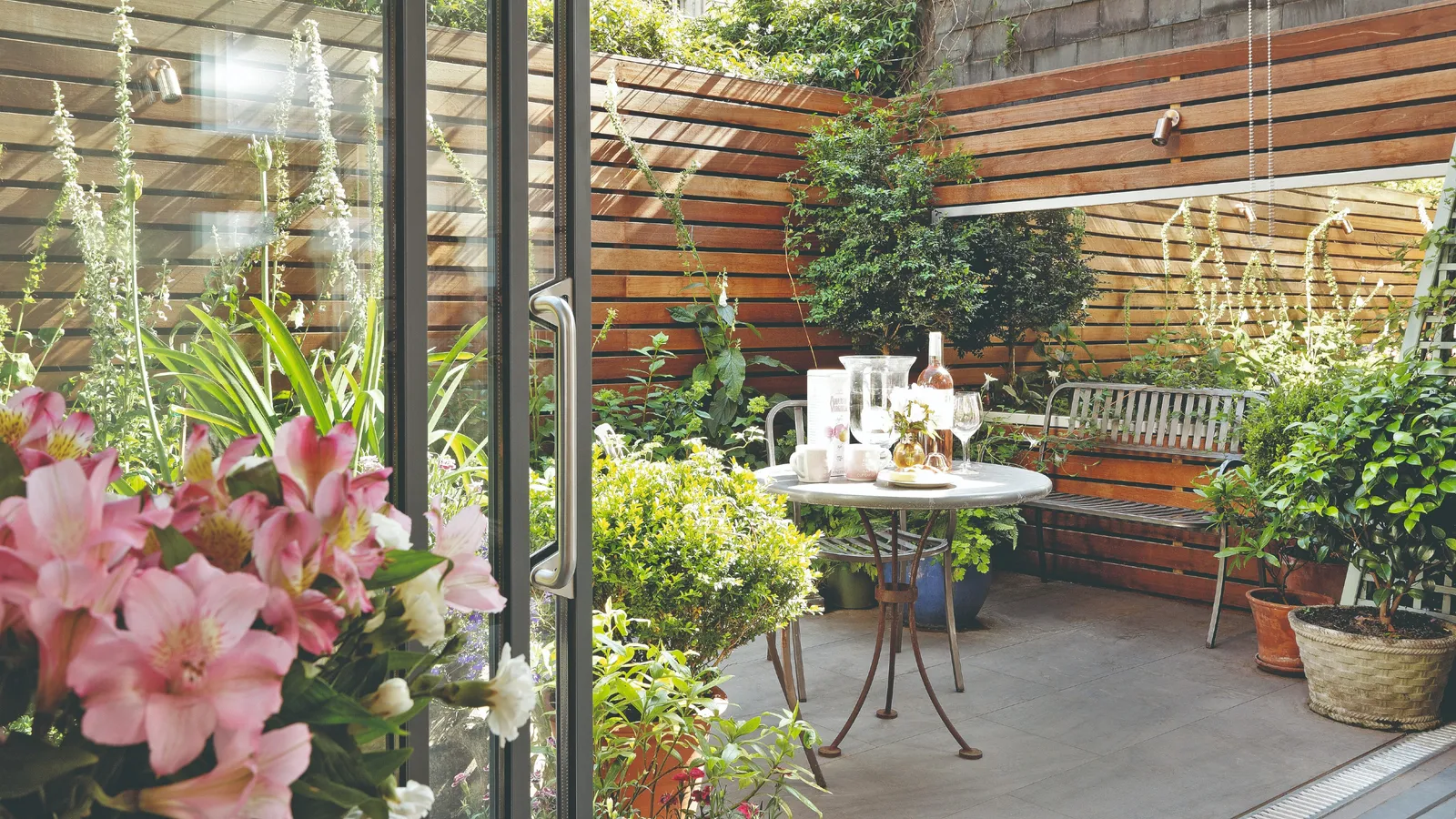
A beautiful outdoor space can completely change the atmosphere of a home. Whether it is a small balcony, a backyard, or a large garden, adding plants and natural elements creates an inviting place where people can relax and enjoy their surroundings.
Gardening is one of the most rewarding hobbies because it combines creativity, patience, and practical skills. People can begin with a few flowerpots and gradually develop a colorful garden filled with flowers, herbs, vegetables, and attractive decorations.
Beyond appearance, gardening provides an opportunity to spend more time outside, observe seasonal changes, and develop a stronger appreciation for the environment.
Starting With a Simple Garden Plan
The first step toward creating an attractive garden is planning. Before purchasing plants, examine the available space and consider how sunlight reaches different areas throughout the day.
Some plants require several hours of direct sunlight, while others grow better in partially shaded locations. Understanding these differences helps prevent unnecessary problems.
Make a simple drawing of the garden and decide where flowers, shrubs, vegetables, and walking spaces should be placed. A clear arrangement makes the area easier to maintain.
Beginners should avoid filling every available space immediately. Starting with a manageable selection of plants allows time to understand their individual requirements.
Selecting the Right Plants
Plant selection depends on climate, soil conditions, available sunlight, and personal preferences. Some people enjoy colorful flowers, while others prefer growing vegetables, herbs, or decorative shrubs.
Marigolds, petunias, sunflowers, and other flowering plants can introduce bright colors into outdoor spaces. Herbs such as mint, basil, and rosemary can provide practical benefits while adding pleasant fragrances.
Before selecting plants, research whether they are suitable for the local environment. Native plants are often a practical option because they are adapted to regional conditions.
A mixture of different plant heights, textures, and flowering periods can make a garden attractive throughout the year.
Improving Soil Quality
Healthy soil provides the foundation for successful gardening. Plants depend on soil for water, nutrients, and physical support.
Start by examining the existing soil. Some gardens have heavy clay soil, while others contain sandy or loose material. Each type has different drainage and nutrient characteristics.
Organic matter, such as suitable compost, can help improve soil structure. However, the amount and type of amendment should depend on the plants being grown and the existing soil conditions.
Avoid adding fertilizers without understanding the needs of the plants. Excessive fertilizer can damage roots and create environmental problems.
Watering Plants Correctly
Watering is one of the most important gardening tasks. Too little water can cause plants to wilt, while excessive watering may lead to root problems.
Different plants require different watering schedules. Young plants may need more frequent attention than established shrubs.
Check the soil before watering rather than following an inflexible daily routine. Weather conditions, container size, drainage, and plant species all influence water requirements.
Watering near the base of plants can also reduce unnecessary moisture on leaves. Early morning is often a convenient time because plants can absorb water before the warmer part of the day.
Creating an Attractive Garden Design
Garden design does not require expensive materials or professional equipment. A little creativity can turn an ordinary outdoor area into a welcoming space.
Use plants of different heights to create depth. Place taller plants toward the back of flower beds and shorter varieties near the front.
Decorative stones, wooden benches, garden paths, and suitable outdoor lighting can make the area more functional.
Color coordination is another useful technique. Choosing complementary flower colors creates a balanced appearance, while contrasting shades can make certain sections stand out.
A comfortable seating area provides a place to read, enjoy morning tea, or spend time with family.
Encouraging Local Wildlife
A garden can become more interesting when it provides suitable conditions for local wildlife. Flowering plants may attract pollinating insects, while carefully selected shrubs can offer shelter for certain birds.
Providing a shallow water source may also encourage wildlife visits, provided it is maintained safely and cleaned regularly.
Avoid using harmful chemicals unnecessarily. Choose responsible pest-management methods and research plant varieties that support local biodiversity.
Watching butterflies, bees, and birds can turn an ordinary gardening routine into an enjoyable nature experience.
The Royal Horticultural Society also highlights how wildlife-friendly gardening can help people connect with nature and enjoy their outdoor surroundings.
Making Gardening a Family Activity
Gardening can become a shared family hobby. Adults can handle more difficult tasks, while children can help with watering, planting seeds, and observing growth.
Creating a small garden project gives everyone something to look forward to. Families might grow sunflowers, start a herb collection, or plant seasonal flowers together.
Keeping photographs of the garden throughout the year is another enjoyable activity. Comparing pictures from different months shows how plants change over time.
Families who enjoy learning about nature may also develop an interest in other outdoor activities, such as birdwatching, nature photography, and observing small animals.
Maintaining the Garden Throughout the Year
A successful garden requires regular attention. Remove dead leaves, inspect plants for pests, control weeds, and maintain appropriate watering routines.
Seasonal changes may require different tasks. Some plants need pruning, while others benefit from protection during colder weather.
Keep basic gardening tools clean and store them safely after use. A small collection of gloves, pruning shears, a watering can, and a hand trowel is enough for many beginner projects.
Conclusion
Gardening is a flexible hobby that can improve the appearance and usefulness of almost any outdoor space. It encourages creativity, teaches patience, and offers a practical way to spend time with nature.
By selecting suitable plants, improving soil, watering carefully, and maintaining a consistent routine, beginners can gradually develop a garden they enjoy.
The most important thing is to begin with realistic goals and learn through experience. A few healthy plants can eventually grow into a beautiful outdoor environment that brings enjoyment throughout the seasons.
For more ideas about enjoying nature and caring for different animals, readers can also explore this interesting collection of animal-related inspiration.
