
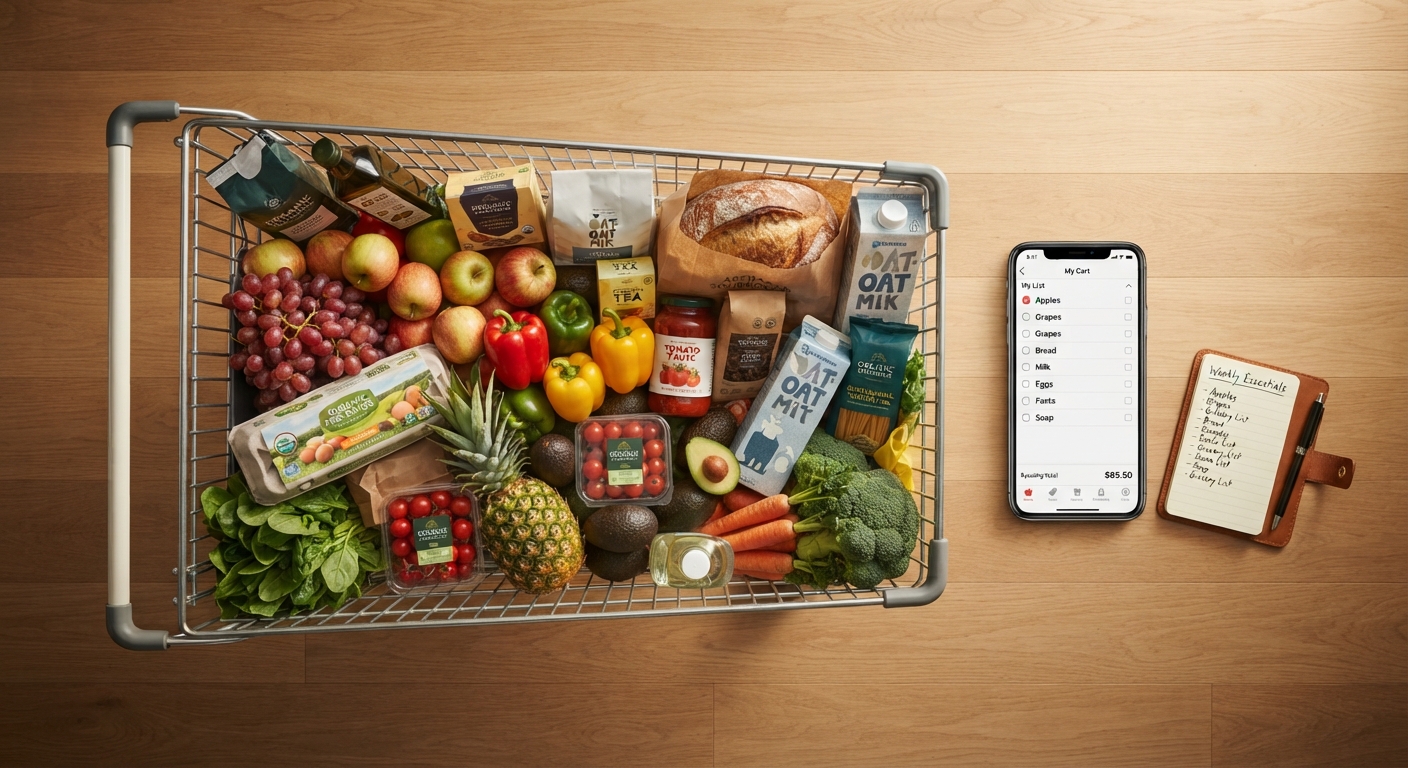
A supermarket is a large self-service retail store that sells a broad range of food, beverages, and household products in one location. Unlike a small specialty food shop, a supermarket typically combines departments such as fresh produce, meat, dairy, bakery, frozen foods, packaged groceries, and household essentials. Modern supermarkets have also expanded beyond physical stores, offering websites, mobile apps, delivery, and pickup services. Today, supermarkets remain a major part of grocery shopping while adapting to changing consumer expectations around convenience, price, product selection, freshness, and digital services.
Quick Answer
What is a supermarket? A supermarket is a large food retailer where customers can purchase many types of groceries and household essentials under one roof. Typical departments include fresh fruits and vegetables, meat and seafood, dairy, bakery, frozen foods, canned goods, beverages, cleaning supplies, and personal-care products.
The USDA describes supermarkets as establishments primarily engaged in selling an extensive variety of grocery and other merchandise, while Oxford defines one as a large shop selling food, drinks, and household goods through a self-service format.
What Is a Supermarket?
A supermarket is designed around convenience and variety.
Instead of visiting separate stores for bread, milk, vegetables, meat, frozen foods, drinks, and cleaning supplies, shoppers can usually find all of these categories in a single store.
Supermarkets generally use a self-service model. Customers select products from shelves, refrigerators, freezers, displays, and service counters before paying at a checkout or through a self-checkout system.
The exact size and product range varies by retailer and country. In the United States, government food-retail classifications distinguish supermarkets and grocery stores from convenience stores, warehouse clubs, and large general-merchandise retailers.
What Do Supermarkets Sell?
A typical supermarket carries hundreds or thousands of individual products.
The exact assortment depends on the store, neighborhood, customer base, and business model, but common categories include:
1. Fresh Produce
The produce department usually contains:
- Apples, bananas, oranges, and other fruit
- Leafy greens
- Tomatoes and peppers
- Potatoes and onions
- Seasonal vegetables
- Herbs
- Pre-cut fruit and vegetables
- Packaged salads
Fresh produce is one reason shoppers may prefer visiting a physical supermarket. FMI’s 2026 research found that 69% of surveyed grocery shoppers value being able to examine produce closely in-store.
2. Meat, Poultry and Seafood
Many supermarkets have dedicated meat departments offering:
- Beef
- Chicken
- Turkey
- Pork
- Fresh and frozen seafood
- Sausages
- Prepared meat products
Some larger stores also provide staffed service counters where shoppers can request particular cuts or quantities.
3. Dairy and Refrigerated Foods
The refrigerated section commonly includes:
- Milk
- Yogurt
- Cheese
- Butter
- Cream
- Eggs
- Refrigerated juices
- Ready-to-eat foods
Temperature control is particularly important for these products because many require continuous refrigeration.
4. Bakery
A supermarket bakery may sell:
- Bread
- Rolls
- Cakes
- Pastries
- Cookies
- Doughnuts
- Freshly prepared baked goods
Larger supermarkets sometimes have bakers working on-site, while smaller stores may stock products supplied by external bakeries.
5. Frozen Foods
The frozen aisle is another major supermarket department.
Typical products include frozen vegetables, fruit, pizza, meat, seafood, desserts, ready meals, and ice cream.
Frozen products can provide shoppers with longer storage periods than many fresh alternatives, making them useful for households that shop less frequently.
6. Packaged and Pantry Foods
This category covers many of the products people use regularly, including:
- Rice
- Pasta
- Flour
- Sugar
- Breakfast cereals
- Canned vegetables
- Sauces
- Spices
- Cooking oils
- Snacks
- Coffee and tea
These products are generally shelf-stable and form a substantial part of a household’s regular grocery list.
7. Beverages
Depending on local regulations and the store’s format, supermarkets may sell water, juices, soft drinks, tea, coffee, sports drinks, and other beverages.
Some stores also have dedicated sections for specialty or international drinks.
8. Household Products
Supermarkets are not limited to food.
Common household categories include:
- Laundry detergent
- Dishwashing products
- Paper towels
- Toilet paper
- Cleaning supplies
- Trash bags
- Light household items
- Pet products
This broader assortment is one reason supermarkets are useful for one-stop shopping.
How Is a Supermarket Organized?
Supermarkets are usually divided into clearly identifiable departments or aisles.
A shopper might enter through a produce area, move through packaged-goods aisles, visit refrigerated and frozen sections, and then reach checkout areas.
Store layouts are carefully designed to make shopping efficient while also exposing customers to additional products.
For example, supermarkets commonly place frequently purchased essentials throughout the store. This can encourage customers to walk through multiple departments rather than collecting everything from a single area.
End-of-aisle displays, promotional stands, refrigerated displays, and checkout areas are also commonly used for product visibility.
Supermarket vs. Grocery Store
The terms supermarket and grocery store are often used interchangeably, particularly in American English.
However, the distinction can depend on the country and classification system.
The USDA’s National Agricultural Library defines grocery stores broadly as stores primarily carrying food items with relatively small selections of non-food products.
A supermarket generally suggests a larger operation with a broader range of departments and products.
| Feature | Supermarket | Smaller Grocery Store |
|---|---|---|
| Product range | Broad | More limited |
| Fresh produce | Usually | Often |
| Meat | Usually | May be limited |
| Bakery | Common in larger stores | Less common |
| Household goods | Often extensive | Smaller selection |
| Store size | Generally larger | Usually smaller |
| One-stop shopping | Strong focus | More limited |
The distinction is not absolute. A large grocery store can function much like a supermarket, while terminology differs between markets.
Supermarket vs. Hypermarket
A hypermarket generally goes beyond the traditional supermarket model.
A supermarket concentrates heavily on food and household necessities. A hypermarket combines a large grocery operation with a much wider range of general merchandise.
That can include clothing, electronics, home furnishings, appliances, toys, and other non-food products.
The USDA distinguishes supermarkets from supercenters and warehouse clubs, noting that the latter can combine a full food selection with extensive general merchandise.
Simple comparison
Supermarket: primarily food, beverages, and household essentials.
Hypermarket: extensive grocery selection plus a much broader general-merchandise assortment.
The boundaries can vary by country and retailer, so individual stores may not fit perfectly into one category.
Types of Supermarkets
Not every supermarket follows the same business model.
Traditional Supermarket
This is the familiar neighborhood or regional grocery store offering a broad range of everyday foods and household products.
Discount Supermarket
Discount supermarkets emphasize lower prices and efficient operations. They may carry fewer brands in certain categories while focusing on value.
Premium Supermarket
Premium supermarkets typically emphasize specialty foods, higher-end ingredients, imported products, prepared meals, or an enhanced shopping environment.
Organic or Natural Supermarket
These stores focus heavily on organic, natural, minimally processed, or specialty foods. Some operate as dedicated retailers, while mainstream supermarkets may simply have large organic sections.
Supermarket With Online Ordering
Many modern supermarkets operate as omnichannel retailers. Customers can browse products online, order through a website or app, collect groceries at a pickup point, or have them delivered.
How Online Supermarket Shopping Works
Online grocery shopping has changed how consumers interact with supermarkets.
A typical process looks like this:
- Choose a supermarket website or app.
- Search or browse products.
- Add items to a digital cart.
- Select delivery or pickup.
- Choose an available time slot.
- Pay electronically.
- Receive the order or collect it from the store.
This model can save time for shoppers who already know what they need.
However, online shopping can also make it harder to personally inspect fresh produce, meat, or other products. That helps explain why physical stores remain important even as digital grocery services expand.
FMI’s 2026 research found that 77% of grocery shoppers were digitally engaged before shopping, while 71% used digital tools while shopping. Retailer apps were the most common digital tool used in-store among the listed options, at 54%.
Why Do People Still Shop in Physical Supermarkets?
Despite the growth of online grocery shopping, physical supermarkets continue to play an important role.
According to FMI’s 2026 U.S. Grocery Shopper Trends research, 54% of shoppers said they always shop in-store at their primary store, while another 20% mostly shop in-store.
There are several practical reasons.
Product Inspection
Shoppers can personally examine fruits, vegetables, meat, packaging, freshness, and product condition.
Immediate Purchase
A customer can choose an item, pay, and take it home immediately without waiting for a delivery window.
Product Discovery
Physical stores make it easier to notice new products, promotions, seasonal displays, and items that were not originally on the shopping list.
Human Interaction
Service counters and store employees can provide assistance, especially for specialty products.
FMI reports that shoppers value physical stores for control, confidence, efficiency, product selection, and human connection.
How to Shop More Efficiently at a Supermarket
A supermarket can save time and money when shoppers enter with a clear plan.
Make a List
Organize your grocery list by department:
- Produce
- Meat
- Dairy
- Pantry
- Frozen
- Household
This reduces unnecessary trips across the store.
Compare Unit Prices
A lower sticker price does not always mean a lower cost per kilogram, liter, ounce, or other unit.
Checking unit prices can make comparisons between different package sizes easier.
Check Dates
For perishable foods, check use-by, sell-by, or best-before information according to local labeling rules.
Do not automatically assume the product with the latest date is always the best choice; storage conditions and product type also matter.
Compare Store Brands
Private-label products can provide an alternative to national brands. Compare ingredients, package size, nutritional information, and unit price rather than judging only by branding.
Plan Around Your Household
Buying a large quantity only makes sense if you can use it before quality declines or the product expires.
For fresh foods especially, purchasing realistic quantities can reduce household food waste.
The Modern Supermarket Experience
Supermarkets are changing from simple physical grocery stores into omnichannel food retailers.
A shopper may discover a product through a search engine, check its price through an app, visit the store to examine it, and then purchase it online the following week.
FMI’s 2026 research reflects this blended behavior. The organization reports that shoppers increasingly expect physical stores to provide some of the convenience they have become accustomed to online.
This means the future supermarket is not necessarily “physical versus online.”
Instead, the two experiences increasingly work together.
Current Supermarket Trends in 2026
Several trends are shaping supermarket shopping.
Digital Integration
Retailer apps, websites, online ordering, digital coupons, and search are becoming normal parts of grocery shopping.
Fresh Food Experience
Fresh produce and meat remain important reasons people visit physical stores, particularly when shoppers want to inspect products themselves.
Value and Price Awareness
Consumers continue comparing prices across retailers and formats. FMI’s August 2026 analysis found that mass retailers had reached parity with supermarkets as the primary grocery destination among its surveyed U.S. shoppers, illustrating the competitive pressure on traditional supermarkets.
Convenience
Pickup, delivery, prepared foods, easy-to-navigate aisles, and digital ordering all contribute to convenience.
Store Experience
FMI reports that shoppers place high importance on clean stores, easy navigation, and being able to examine products closely.
Advantages and Disadvantages of Supermarkets
Advantages
- Wide product selection
- One-stop shopping
- Fresh food departments
- Multiple brands and price points
- Convenient locations
- Online ordering at many retailers
- Pickup and delivery options
- Ability to inspect products personally
Potential disadvantages
- Large stores can take longer to navigate
- Promotions can encourage unplanned purchases
- Prices may vary significantly between retailers
- Popular products can occasionally be out of stock
- Fresh-food quality can vary by location and timing
- Online substitutions may differ from the original item ordered
The right supermarket depends on what a household values most: price, location, freshness, selection, convenience, specialty products, or digital services.
Frequently Asked Questions
What is a supermarket?
A supermarket is a large self-service store selling a broad range of food, beverages, groceries, and household products. Typical supermarkets contain departments for produce, meat, dairy, bakery, frozen foods, packaged goods, and household essentials.
What is the difference between a supermarket and a grocery store?
The terms often overlap. A supermarket generally suggests a larger store with a wider range of departments and products, while “grocery store” can describe both larger supermarkets and smaller food retailers depending on the classification system and country.
What products are sold in a supermarket?
Most supermarkets sell fresh produce, meat, seafood, dairy, bakery products, frozen foods, canned and packaged groceries, beverages, snacks, personal-care items, cleaning products, paper goods, and other household essentials.
What are the advantages of shopping at a supermarket?
The main advantages are product variety, one-stop shopping, access to fresh foods, price comparisons, immediate purchasing, and—at many modern retailers—online ordering, pickup, and delivery.
What is the difference between a supermarket and a hypermarket?
A supermarket primarily focuses on food and household necessities. A hypermarket typically combines a large grocery operation with a much broader general-merchandise selection, such as clothing, electronics, furniture, or appliances.
Conclusion
A supermarket is more than a place to buy groceries. It is a retail format designed to bring food, beverages, fresh products, and household essentials together in one convenient shopping environment.
While online grocery shopping has expanded rapidly, physical supermarkets remain important because shoppers value product inspection, immediate purchases, fresh-food selection, convenience, and the in-store experience. Current 2026 research shows that consumers increasingly combine physical and digital shopping rather than relying exclusively on one channel.
For shoppers, the best approach is practical: compare unit prices, make a list, inspect fresh products, check dates, and use online tools when they genuinely save time.
